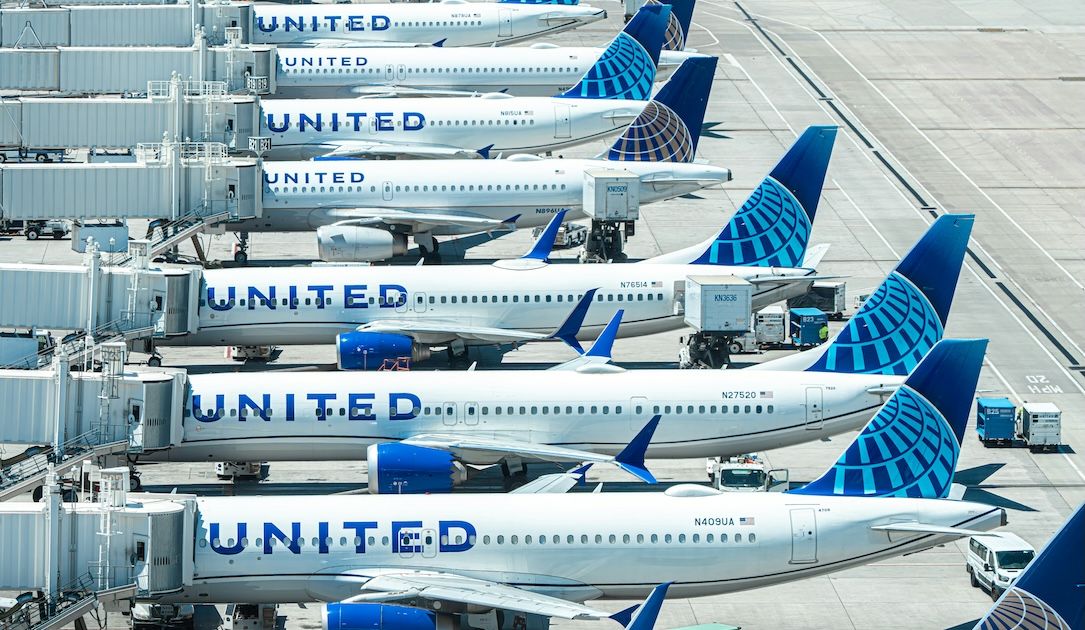
United Airlines to block AI agents from managing customer reservations and purchases
United Airlines will block third-party AI agents from managing reservations, ticketing and loyalty activity, citing credential exposure, privacy and regulatory risks. The move shows regulated businesses are treating AI assistants as access-control threats because they can hold passwords and act inside customer accounts. It affects travelers who use agents to book, change or redeem miles.
United Airlines said it will restrict customers from using personal AI assistants to book flights, change reservations or spend MileagePlus miles. The airline said automated actions by third-party tools can expose sensitive information and may cause unintended purchases, account changes or mileage use. United said the restrictions apply inside its own websites and apps and separately through aggregators and agencies. It also pointed to federal aviation and transportation rules that require a human to acknowledge baggage does not contain banned substances such as explosives during check-in.
The source of the policy is United's own Wednesday press release, which frames the move as an access-control change rather than a response to a disclosed breach. The release says United will update booking, ticketing and distribution policies. It does not identify a specific incident, a published vulnerability identifier, customer complaint or enforcement action. That matters for readers: the documented evidence is a corporate policy decision and a stated legal risk, not a public record of an attack. The airline's language places AI agents in the same category as unauthorized automation that can bypass intended human review.
United joins a broader pattern among regulated businesses trying to distinguish humans from machine agents. Bank of America recently told users not to share user IDs and passwords with AI agents, reflecting the same credential-leak concern. For airlines, the stakes are higher because bookings touch payment instruments, loyalty balances, travel documents and safety acknowledgments. The operational problem is not only privacy. It is control: companies need to know which actions were authorized by a person, which were initiated by software, and which can be reversed or audited.
The immediate affected users are travelers who let AI assistants log in, search itineraries, hold seats or redeem miles. United says such use can expose sensitive information and create unintended transactions, so blocking it changes how customers interact with the airline's digital storefront. Raj Ananthanpillai, founder and CEO of identity verification company Trua, argued for verified identity tokens as an alternative to credential sharing. The documented issue is credential custody: when a password becomes an agent's key, the airline's security boundary becomes the user's convenience.
United's move affects travelers who use AI assistants to book or change flights, because it restricts credential sharing and automated account actions. It shows regulated companies are treating AI agents as access-control risks, not just customer tools.
Sources (1)
- [1]Original source(https://therecord.media/united-airlines-to-block-customers-using-ai-agents)